
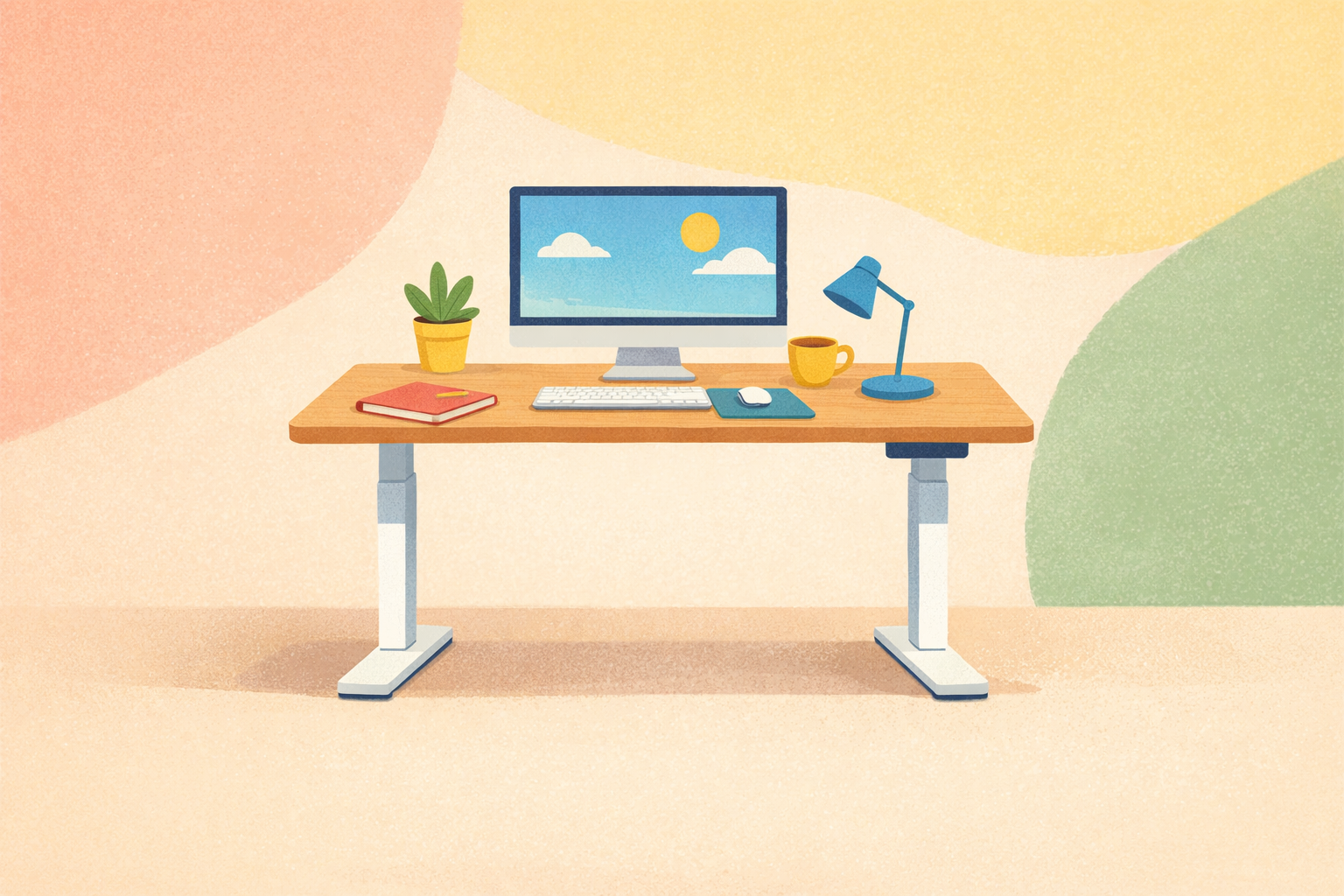
If you've spent years hunched over a traditional desk, you've likely felt the consequences: the mid-afternoon energy crash, the persistent lower back tension, and that nagging sense that sitting for eight-plus hours simply can't be good for you. You're right to be concerned. Research consistently links prolonged sitting with increased risks of cardiovascular disease, metabolic dysfunction, and musculoskeletal problems. Enter the standing desk—a deceptively simple solution that's become a cornerstone of modern ergonomic workspaces.
The Case for Standing: What Research Actually Shows
Let's separate hype from evidence. Standing desks aren't a magic cure-all, but the science supporting their benefits is substantial. A 2018 study published in the British Medical Journal found that workers using sit-stand desks reported reduced fatigue, improved mood, and decreased musculoskeletal discomfort compared to their seated counterparts. Another study from Texas A&M University demonstrated a 46% increase in workplace productivity among call center employees who used standing desks over a six-month period.
The key insight? It's not about standing all day—it's about movement and variation. Your body isn't designed for static positions, whether sitting or standing. The real benefit of a standing desk lies in its ability to facilitate position changes throughout the workday, keeping your metabolism active and your muscles engaged.
Understanding the Health Benefits
Cardiovascular Health: When you stand, your body works harder to pump blood, engaging your leg muscles and improving circulation. Studies suggest that alternating between sitting and standing can help reduce blood pressure and improve overall cardiovascular function.
Metabolic Impact: Standing burns roughly 50 more calories per hour than sitting. While that might seem modest, over a typical workweek, those calories add up. More importantly, standing after meals has been shown to reduce blood sugar spikes by up to 43%.
Posture and Pain Reduction: Perhaps the most immediately noticeable benefit is relief from chronic back and neck pain. A Stanford University study found that 54% of participants with chronic back pain reported significant improvement after using a standing desk for several weeks.
Key Features to Consider Before Buying
Not all standing desks are created equal. As you evaluate options, pay attention to these critical specifications:
Height Range: The desk should accommodate your standing elbow height (typically 38-46 inches for most adults) while also lowering enough for comfortable seated work. Look for a range of at least 25-50 inches to ensure flexibility.
Weight Capacity: Consider everything that will sit on your desk—monitors, computers, books, accessories. Quality desks typically support 200-350 pounds, but if you're running a multi-monitor setup with additional equipment, aim for the higher end.
Motor Quality and Speed: Electric desks with dual motors offer smoother, faster transitions and handle heavier loads more reliably. Look for lift speeds of at least 1.5 inches per second—anything slower becomes frustrating in daily use.
Stability: A wobbly desk at standing height is not just annoying; it's a productivity killer. Premium desks feature reinforced frames and crossbars that minimize shake, even at maximum height.
Top Picks for Different Professional Needs
After analyzing user reviews and performance data across dozens of standing desks, several models consistently rise to the top for professional use. Here's what stands out:
For professionals seeking the best overall balance of features, build quality, and value, the UPLIFT V3 remains a benchmark in the industry:
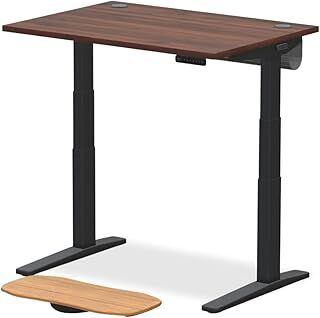
UPLIFT DESK V3 2-Leg Standing Desk
The UPLIFT V3 delivers exceptional stability even at standing height, thanks to its reinforced frame design. Its extensive height range accommodates users from 5'2" to well over 6 feet, and the programmable memory settings make transitions seamless. The 10-year warranty reflects the manufacturer's confidence in its durability—a crucial consideration for a piece of equipment you'll use daily.
For those who prioritize sustainability without sacrificing performance, bamboo desktop options offer an eco-conscious alternative:
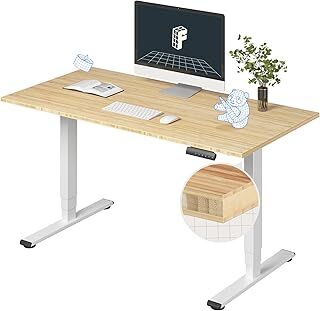
FlexiSpot E6 Bamboo Standing Desk 55 x 28
The FlexiSpot E6 with bamboo top combines environmental responsibility with solid engineering. Bamboo is naturally antimicrobial, incredibly durable, and adds a warm aesthetic that softens the typical office environment. It's proof that sustainable choices don't require compromising on functionality.
The Ergonomic Setup: Getting It Right
Owning a standing desk is only half the equation. Proper setup determines whether you'll experience the benefits or create new problems.
Monitor Position: Your screen should be at arm's length, with the top of the display at or slightly below eye level. This prevents neck strain from looking up or down.
Keyboard and Mouse Height: Your elbows should rest at approximately 90 degrees when typing, with your wrists in a neutral position. Many users benefit from a separate keyboard tray to achieve optimal positioning.
Anti-Fatigue Mat: Standing on a cushioned mat reduces pressure on your feet, knees, and lower back. It's an inexpensive addition that dramatically improves standing comfort.
The 20-8-2 Rule: Aim to spend 20 minutes sitting, 8 minutes standing, and 2 minutes moving for every 30-minute period. This rhythm keeps your body engaged without causing fatigue.
Common Mistakes to Avoid
Standing Too Long, Too Soon: Enthusiasm often leads new standing desk users to overdo it. Your body needs time to adapt. Start with 30-minute standing intervals and gradually increase duration over several weeks.
Ignoring Footwear: Standing in dress shoes or heels for extended periods is a recipe for foot pain. Keep supportive footwear or standing-friendly shoes at your desk.
Forgetting to Move: A standing desk isn't a substitute for movement. Set reminders to walk, stretch, or simply shift your weight regularly. The goal is dynamic positioning, not static standing.
Skimping on Quality: Budget desks often feature single motors, lower weight capacities, and shorter warranties. Given that a standing desk is a long-term investment in your health and productivity, prioritizing quality pays dividends over time.
The Bottom Line
Standing desks represent one of the most impactful upgrades you can make to your workspace. The research is clear: alternating between sitting and standing improves energy levels, reduces pain, and can meaningfully boost your daily productivity. However, the benefits depend heavily on choosing a quality desk that suits your specific needs and using it correctly.
Consider your workspace dimensions, the equipment you'll place on the desk, and how often you'll transition between positions. Invest in a model with a strong warranty and proven reliability—this is equipment you'll use for years, if not decades. Combined with proper ergonomic setup and mindful movement habits, a standing desk can transform not just your workday, but your overall relationship with work itself.
Your body wasn't designed to sit for eight hours straight. Give it the freedom to move, and you'll be amazed at how much better you feel—and perform—as a result.