
Your setting spray is the final step in your makeup routine—the invisible shield that keeps your carefully crafted look intact throughout the day. But what happens when that trusted product starts working against you? Like all beauty products, setting sprays have a shelf life, and using an expired formula can lead to disappointing results, skin irritation, or even breakouts. Understanding the science behind setting spray expiration can help you identify when it's time to replace your bottle.
Understanding What's Inside Your Setting Spray
Before we dive into expiration signs, it's helpful to understand what makes setting sprays work. Most setting sprays contain a combination of film-forming polymers, water, alcohol, and various conditioning agents. These polymers—often vinyl-based compounds like VP/VA copolymer or PVP—create a flexible, breathable film over your makeup that locks everything in place.
These polymers are the workhorses of your setting spray, but they're also the components most susceptible to degradation over time. When exposed to air, heat, light, or simply the passage of time, these polymer chains can break down in a process called polymer degradation or depolymerization.
The Science Behind Polymer Breakdown
Polymer breakdown in cosmetics occurs through several mechanisms:
- Oxidation: Exposure to air causes the polymer chains to react with oxygen, breaking them into smaller fragments
- Hydrolysis: Water molecules attack the chemical bonds in the polymer structure
- Thermal degradation: Heat exposure accelerates the breakdown process
- UV degradation: Light exposure, particularly UV rays, can weaken polymer bonds
When these polymers break down, they release acetic acid as a byproduct—the same compound that gives vinegar its distinctive smell. This is why that sharp, sour odor is one of the most reliable indicators that your setting spray has gone bad.
Sign #1: The Vinegar Smell
The most unmistakable sign of an expired setting spray is a sharp, acidic odor reminiscent of vinegar. Fresh setting sprays typically have a neutral scent or a light fragrance added by the manufacturer. If you notice a sour, pungent smell when you spray, the polymers have begun breaking down and releasing acetic acid.
What to do: Don't ignore this sign. Even if the spray seems to work initially, the degraded polymers won't form an effective film on your skin, and the acidic byproducts can irritate sensitive skin. It's time to replace the product.
Sign #2: Uneven Misting Pattern
A properly functioning setting spray should produce a fine, even mist that distributes product uniformly across your face. When polymers break down, the formula's consistency changes. You might notice:
- Sputtering or spitting: The spray comes out in uneven bursts rather than a smooth mist
- Large droplets: Instead of a fine mist, you get heavy drops that can disturb your makeup
- Inconsistent coverage: Some areas receive too much product while others get barely any
- Clogged nozzle: Degraded polymers can become sticky and gum up the spray mechanism
This uneven application isn't just inconvenient—it can actually make your makeup look worse, creating patchy areas where product has pooled or spots where your makeup has been disrupted by large droplets.
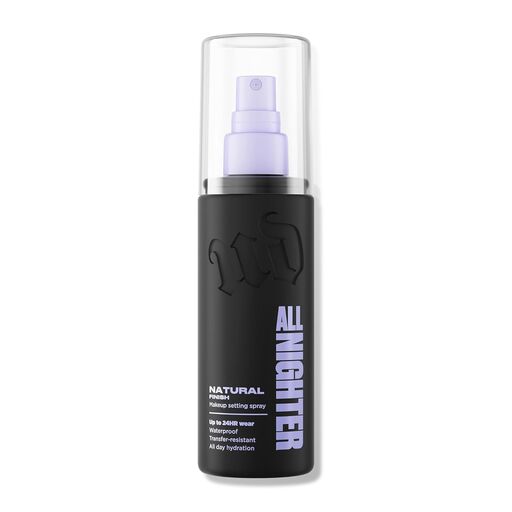
Urban Decay All Nighter Setting Spray
Sign #3: Changes in Color or Clarity
Fresh setting sprays are typically clear or slightly translucent. Watch for these visual changes:
- Yellowing: A yellow or amber tint indicates oxidation has occurred
- Cloudiness: The formula becoming murky or opaque suggests ingredient separation or bacterial contamination
- Floating particles: Visible specks or sediment that don't dissolve when shaken
- Separation: Distinct layers forming in the bottle, even after thorough shaking
Sign #4: Changes in Texture and Performance
Beyond smell and appearance, expired setting sprays often feel different on the skin:
- Sticky or tacky finish: Instead of drying to an invisible film, the spray leaves a noticeable sticky residue
- Doesn't dry properly: The formula takes much longer to set or never fully dries
- Flaking: The dried product flakes off or pills up on the skin
- Reduced longevity: Your makeup doesn't last as long as it used to, even with the same application routine
Sign #5: Skin Reactions
Perhaps the most concerning sign of an expired setting spray is unexpected skin reactions. If a product you've used successfully before suddenly causes:
- Redness or irritation
- Itching or burning sensation
- Breakouts in the spray zone
- Unusual dryness or tightness
These reactions may indicate that the formula has degraded or that bacterial contamination has occurred. Discontinue use immediately and consult a dermatologist if symptoms persist.
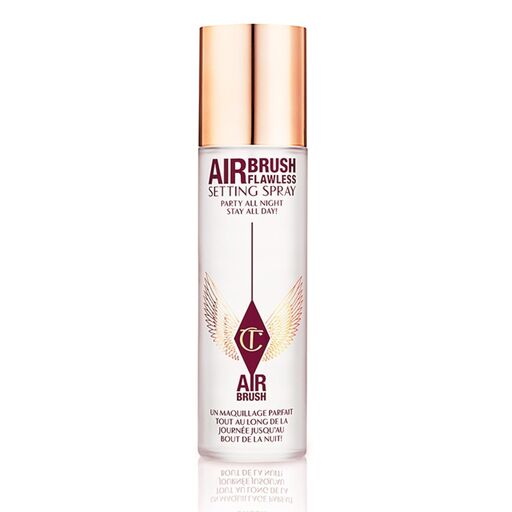
Charlotte Tilbury Airbrush Flawless Setting Spray
How Long Do Setting Sprays Actually Last?
Most setting sprays have a shelf life of 12 to 24 months once opened, though this varies by formulation. Look for the PAO (Period After Opening) symbol on your product—it looks like an open jar with a number followed by "M" (for months). This indicates how long the product is considered safe and effective after opening.
Factors that shorten shelf life include:
- Storing in hot or humid environments (like your bathroom)
- Exposure to direct sunlight
- Not replacing the cap properly
- Contamination from touching the nozzle to your face
- Sharing products with others
Tips for Extending Your Setting Spray's Life
To get the most out of your setting spray investment:
- Store in a cool, dry place: Keep it in a drawer or cabinet away from heat and humidity
- Keep the cap on: This minimizes air exposure and prevents the nozzle from clogging
- Don't share: Each person introduces different bacteria
- Write the opening date: Use a marker to note when you first opened the product
- Keep it upright: Storing the bottle on its side can lead to leakage and contamination
- Buy appropriate sizes: If you don't use setting spray daily, opt for smaller bottles you'll finish before they expire
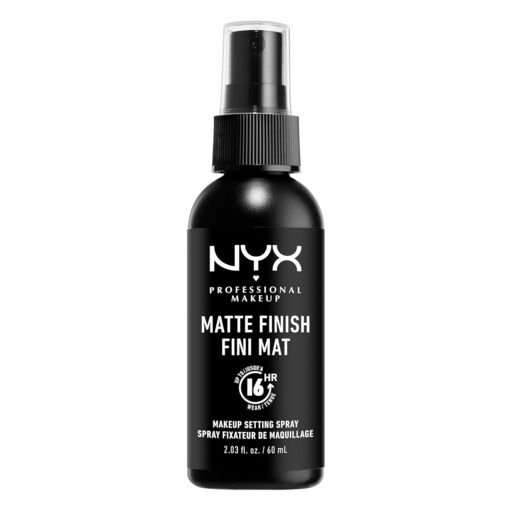
NYX Matte Finish Setting Spray
When in Doubt, Throw It Out
Setting sprays are applied directly to your face, often near your eyes, nose, and mouth. Using an expired or contaminated product simply isn't worth the risk of skin irritation, breakouts, or infection. If your setting spray shows any of the warning signs discussed above—particularly the vinegar smell or uneven misting—it's time to replace it.
Think of it this way: a good setting spray costs between $7 and $35. A dermatologist visit for a reaction or infection costs considerably more, not to mention the discomfort and potential scarring from a bad breakout.
Final Thoughts
Understanding the signs of polymer breakdown in your setting spray empowers you to make informed decisions about your beauty products. By staying alert to changes in smell, spray pattern, appearance, and performance, you can ensure that the products you're applying to your skin are both safe and effective.
Remember that cosmetic expiration dates aren't just marketing tactics to get you to buy more products—they're based on real chemistry and safety considerations. Trust your senses, check those PAO symbols, and don't hesitate to replace a product that's past its prime. Your skin—and your makeup look—will thank you.