
If you share your home with a feathered friend or a scaly companion, you might be unknowingly putting their health at serious risk every time you light a scented candle or plug in an air freshener. While these products seem harmless enough to humans, they can cause severe respiratory distress, organ damage, and even death in birds and reptiles. Understanding why these common household items are so dangerous—and what safer alternatives exist—could literally save your pet's life.
The Unique Vulnerability of Avian Respiratory Systems
Birds possess one of the most efficient respiratory systems in the animal kingdom, but this efficiency comes with a significant downside: extreme sensitivity to airborne toxins. Unlike mammals, birds have a unidirectional airflow system with air sacs that allow oxygen to pass through their lungs twice per breath cycle. This means any toxins in the air get double the exposure time in their respiratory tissue.
Historically, canaries were used in coal mines precisely because of this sensitivity—they would succumb to toxic gases long before human miners noticed any danger. Today, this same vulnerability makes modern birds incredibly susceptible to the volatile organic compounds (VOCs), synthetic fragrances, and particulate matter released by scented candles and plug-in air fresheners.
What Makes Scented Candles and Plug-ins So Dangerous?
Volatile Organic Compounds (VOCs)
When you burn a scented candle or heat a plug-in air freshener, you're releasing a cocktail of chemicals into your home's air. Common VOCs found in these products include:
- Formaldehyde – a known carcinogen
- Benzene – linked to respiratory issues and cancer
- Toluene – affects the central nervous system
- Acetaldehyde – causes respiratory irritation
These compounds are released in concentrations that may be negligible for humans but can be devastating for birds and reptiles with their smaller body sizes and unique respiratory physiology.
Paraffin Wax Concerns
Most commercial candles are made from paraffin wax, a petroleum byproduct. When burned, paraffin releases toluene and benzene—the same chemicals found in diesel fuel exhaust. The soot particles produced are ultrafine and can penetrate deep into avian lung tissue, causing inflammation, respiratory distress, and cumulative damage over time.
Synthetic Fragrances
The term "fragrance" on a label can hide hundreds of individual chemical compounds. Manufacturers aren't required to disclose these ingredients, which often include phthalates (endocrine disruptors) and various aldehydes that are particularly harmful to birds. These synthetic scents don't just mask odors—they introduce a continuous stream of potentially toxic molecules into your pet's breathing space.
Essential Oils Aren't Always Safe Either
Many pet owners switch to "natural" essential oil diffusers thinking they're safer, but this isn't necessarily true. Tea tree oil, eucalyptus, citrus oils, and peppermint are all toxic to birds. Reptiles are similarly sensitive, with their permeable skin and respiratory systems vulnerable to concentrated plant compounds that would never exist in their natural habitats.
Signs of Toxicity in Birds and Reptiles
Recognizing the symptoms of airborne toxin exposure can help you act quickly:
In Birds:
- Tail bobbing or labored breathing
- Open-mouth breathing
- Wheezing or clicking sounds
- Lethargy and fluffed feathers
- Loss of appetite
- Falling off perches
In Reptiles:
- Excessive mucus around mouth or nostrils
- Open-mouth breathing
- Lethargy and hiding
- Refusal to eat
- Skin discoloration
If you notice any of these symptoms and have been using scented products, immediately move your pet to fresh air and contact an exotic animal veterinarian.
Safe Alternatives for Pet-Friendly Air Quality
The good news is that you don't have to choose between fresh-smelling air and your pet's health. Several alternatives can actually improve your home's air quality while keeping your birds and reptiles safe.
HEPA Air Purifiers: The Gold Standard
High-Efficiency Particulate Air (HEPA) purifiers are the safest and most effective solution for homes with exotic pets. True HEPA filters capture 99.97% of particles as small as 0.3 microns, including dust, dander, mold spores, and many airborne pollutants—without adding any chemicals to your air.
When choosing an air purifier for a home with birds or reptiles, look for:
- True HEPA filtration (not "HEPA-like" or "HEPA-style")
- Activated carbon filters to absorb odors and VOCs naturally
- No ionizers or ozone generators (these produce ozone, which is harmful to birds)
- Appropriate room coverage for your space
- Quiet operation to avoid stressing sensitive pets
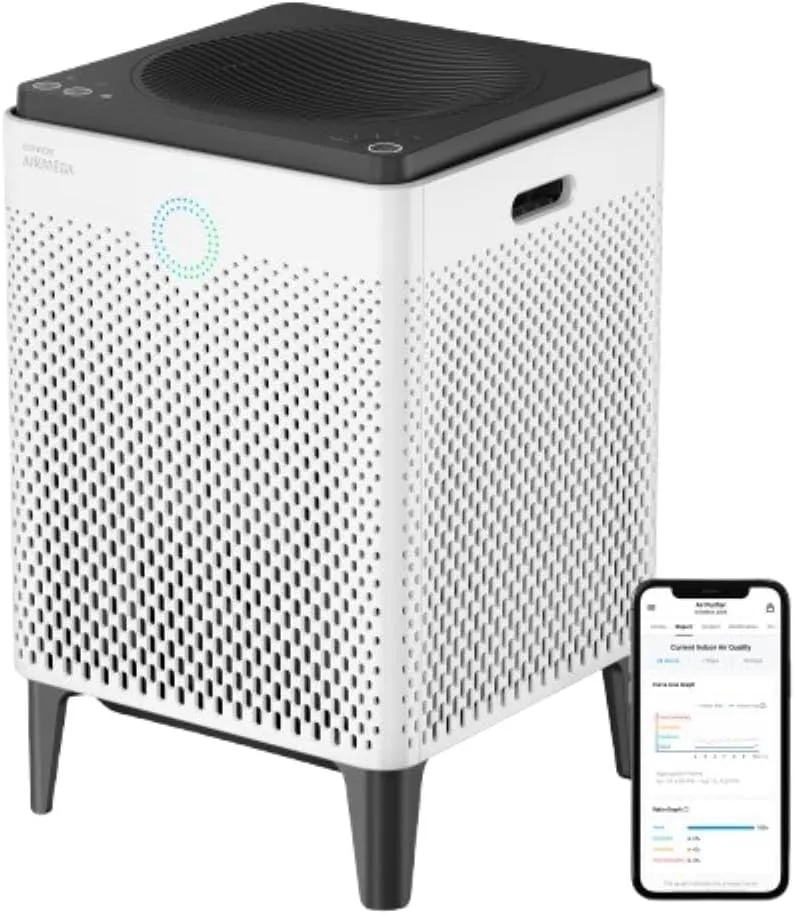
Coway Airmega 400S Smart Air Purifier
For larger living spaces or open floor plans, a powerful unit with smart capabilities can help you monitor air quality and adjust automatically. Look for models that offer real-time air quality feedback so you can ensure your pet's environment stays consistently clean.
Unscented Beeswax Candles
If you love the ambiance of candlelight, 100% pure beeswax candles with cotton wicks are the safest option. Unlike paraffin, beeswax:
- Burns cleaner with minimal soot
- Produces negative ions that can actually help purify air
- Contains no synthetic additives when purchased from reputable sources
- Is naturally unscented or has only a subtle honey aroma
Important: Always ensure the room is well-ventilated, never leave candles unattended near bird cages, and opt for unscented varieties to minimize any respiratory irritation.
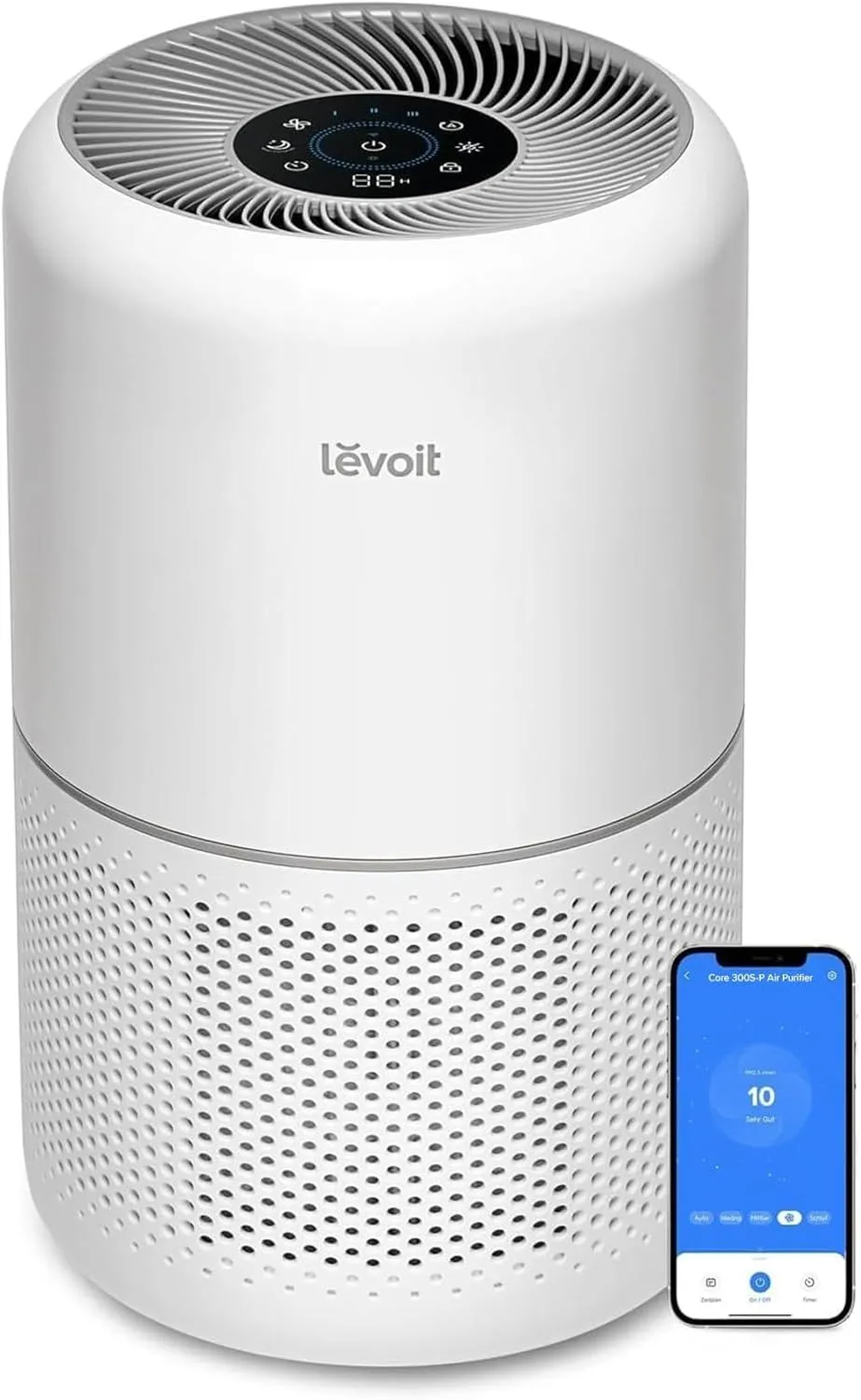
LEVOIT Core 300S-P Air Purifier
A compact air purifier in the same room can work alongside beeswax candles to capture any minimal particulates produced, creating a layered approach to air quality management.
Other Pet-Safe Odor Solutions
Baking soda – Place open boxes near odor sources to absorb smells naturally
Activated charcoal bags – These passively absorb odors and moisture without releasing anything into the air
Proper ventilation – Sometimes the simplest solution is opening windows (when weather permits and birds are secured)
Regular cleaning – Addressing odors at the source is always safer than masking them
Setting Up a Safe Air Quality System
Creating an optimal environment for your exotic pets involves more than just removing harmful products. Consider this comprehensive approach:
-
Audit your current products – Remove all scented candles, plug-ins, aerosol sprays, and essential oil diffusers from areas accessible to your pets
-
Invest in quality air purification – Place HEPA air purifiers in rooms where your pets spend the most time
-
Establish scent-free zones – Keep your pet's primary living area completely free from any fragranced products
-
Check cleaning products – Many household cleaners contain fragrances and VOCs; switch to unscented, pet-safe alternatives
-
Avoid non-stick cookware – When overheated, Teflon and similar coatings release fumes that are rapidly fatal to birds
-
Monitor humidity – Proper humidity levels (often achieved with the same attention to air quality) benefit reptile respiratory health
Conclusion: Breathe Easy, Keep Pets Safe
Our desire for pleasant-smelling homes is completely understandable, but when we share our spaces with birds and reptiles, we must prioritize their unique physiological needs. The chemicals lurking in everyday scented products pose very real dangers to these sensitive animals.
By switching to HEPA air purifiers, unscented beeswax candles, and natural odor-absorbing solutions, you can maintain a fresh, clean home environment without putting your beloved pets at risk. The investment in proper air purification not only protects your exotic companions but also improves air quality for every member of your household—feathered, scaled, or otherwise.
Your pets depend on you to make their environment safe. Making the switch from toxic air fresheners to pet-safe alternatives is one of the most important steps you can take as a responsible exotic pet owner.