
Here's the thing about robot vacuums: they've gotten genuinely good. Not "good for a robot" good, but actually, legitimately useful. The days of watching your Roomba ping-pong randomly around your living room like a confused beetle are largely behind us. Modern units map your home, remember where they've been, and clean with something approaching intention. But with that maturity comes a harder question: which one do you actually buy?
The two names you'll encounter most often are iRobot (makers of the Roomba) and Shark. Both companies have been refining their robots for years, both offer models at nearly every price point, and both will happily take several hundred dollars from you. The differences between them, however, are more substantial than their marketing materials might suggest.
Navigation Philosophy: Methodical vs Aggressive
Let's start with how these robots actually move through your home, because this single factor affects everything else. Roomba models, particularly the i3+ and above, use what iRobot calls iAdapt navigation. The newer models incorporate visual and floor tracking sensors to create maps of your space, learning the layout over multiple cleaning runs. The result is methodical, row-by-row cleaning that prioritizes coverage over speed. Your Roomba will take its time, and it will be thorough about it.
Shark's approach differs in temperament. Their IQ and AI Ultra series robots tend toward more aggressive, almost impatient navigation patterns. They'll zip across open spaces quickly, slow down around obstacles, and generally finish rooms faster. Whether this translates to better cleaning depends entirely on your floor plan. In open concept spaces with minimal furniture, Shark's speed advantage is real. In cluttered rooms with lots of chair legs and cables, the Roomba's patience often wins out.
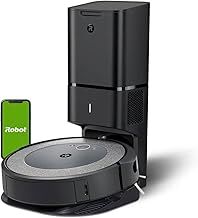
iRobot Roomba i3+ EVO
Suction and Cleaning Performance
Raw suction power numbers get thrown around a lot in robot vacuum marketing, and I'll be honest: they're mostly meaningless. A robot claiming 2000Pa of suction versus one claiming 1800Pa will perform nearly identically in real-world conditions. What actually matters is brush design, edge cleaning ability, and how well the robot handles transitions between floor types.
Roomba's dual rubber extractors represent their biggest technical advantage. These counter-rotating rubber cylinders grab debris without tangling on hair the way traditional bristle brushes do. If you have pets, or humans with long hair, or both, this design difference alone might justify choosing iRobot. You'll spend dramatically less time cutting hair balls out of your robot's undercarriage.
Shark robots use a combination of rubber and bristle brushes depending on the model. Their self-cleaning brush roll technology works reasonably well, actively pulling hair into the dustbin rather than wrapping it around the brush. It's not quite as effective as Roomba's solution, but it's a genuine improvement over older designs.
On carpet, both brands perform admirably. The robots detect the change in surface and automatically boost suction. Edge cleaning remains a weak point for the entire category, though Shark's side brushes extend slightly further, giving them a marginal advantage along baseboards.
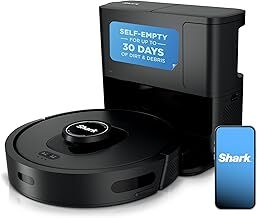
Shark AV2501S AI Ultra Robot Vacuum
The Self-Emptying Question
Both Roomba and Shark offer self-emptying bases on their mid-range and premium models, and this feature transforms the ownership experience more than any other upgrade. Without it, you're emptying a tiny dustbin every run or two. With it, you might go a month between thinking about your robot at all.
The bases work similarly: your robot returns home, a powerful fan activates, and debris gets sucked up into a larger bag or bin in the base station. Roomba's Clean Base uses disposable bags that hold about 60 days of debris. Shark's bases vary by model, with some using bags and others featuring bagless designs you empty manually.
The bagless Shark bases sound appealing from a sustainability standpoint, but in practice they're messier to empty and require more frequent attention. The Roomba bags, while an ongoing cost, seal in dust and allergens far more effectively. For allergy sufferers, this isn't a trivial consideration.
App Experience and Smart Features
Both companies offer smartphone apps with mapping, scheduling, and zone cleaning. Both integrate with Alexa and Google Assistant. Both let you tell your robot to clean the kitchen while leaving the bedroom alone. The feature sets have largely converged.
Where they differ is polish. The iRobot Home app feels more refined, with cleaner maps, more intuitive room editing, and better cleaning history tracking. Shark's app works, but it occasionally feels like an afterthought. Updates sometimes introduce bugs, and the interface lacks the thoughtful touches that make the Roomba app pleasant to use.
Shark has made strides with their AI Ultra series, incorporating object recognition to identify and avoid obstacles like pet waste, cables, and shoes. Roomba's j-series offers similar capabilities. Both technologies work better than you'd expect, though neither is perfect. If your dog has an accident while you're at work, you'll want this feature. Trust me on this.
Reliability and Longevity
iRobot has been making robot vacuums since 2002. That head start translates to a more mature support infrastructure, widely available replacement parts, and a robot that's been refined over two decades of iteration. Roomba motors, sensors, and batteries are well understood, and third-party parts abound if you're the DIY type.
Shark entered the robot vacuum market much more recently, and while their products are competent, the long-term reliability picture is less clear. Early reports suggest their robots hold up reasonably well, but we simply don't have the same decade-plus track record that exists for Roomba.
The Verdict: It Depends (Of Course)
If you have pets with hair, want the most refined app experience, and value proven reliability, the Roomba i3+ EVO represents the sweet spot of iRobot's lineup. You get the self-emptying base, competent navigation, and those excellent rubber extractors at a price that won't require a second mortgage.
If you prioritize speed, want aggressive object avoidance, and prefer Shark's aesthetic, their AI Ultra series offers compelling performance at competitive prices. The navigation is quick, the suction is strong, and the obstacle recognition technology works surprisingly well.
Both will clean your floors better than you currently are. Both will occasionally get stuck under furniture and beep pathetically until you rescue them. Both represent the current state of the art in robotic floor cleaning. The question isn't really which is better. It's which set of compromises bothers you less.
And honestly? That's the most useful framework for any appliance purchase. There are no perfect products, only trade-offs you can live with. Pick your trade-offs wisely, set up your schedules, and enjoy floors that are cleaner than they've ever been. Your bare feet will thank you.