
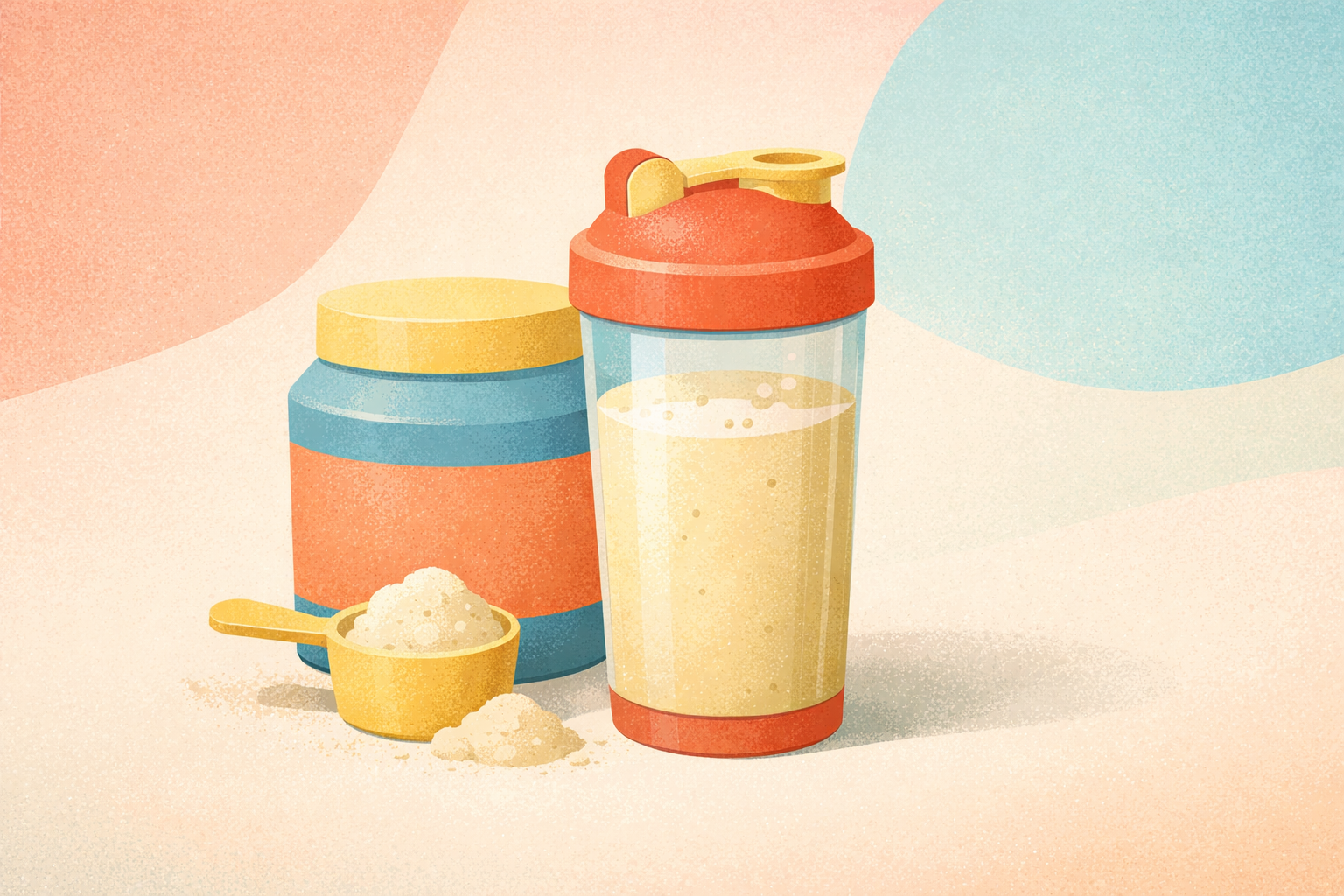
Here is a truth universally acknowledged by anyone who has ever tried to hit their daily protein target: most protein powders taste terrible. Not all of them, and not in the same way, but the landscape is littered with tubs that promise "rich chocolate milkshake flavor" and deliver something closer to cocoa-dusted drywall mixed into water. The chalky mouthfeel, the weird chemical aftertaste that lingers for an hour, the suspicious foam that rises from your shaker like some kind of science fair volcano. We've all been there.
But the good news? The protein powder market in 2025 is genuinely better than it was even five years ago. Formulation science has improved, sweetener blends have gotten more sophisticated, and competition has forced brands to take flavor seriously rather than treating it as an afterthought. The trick is knowing what to look for, what to avoid, and which products have actually earned their reputation through taste rather than marketing. So let's dig in.
Why Most Protein Powders Taste Bad in the First Place
To understand what makes a protein powder taste good, it helps to understand why so many of them taste bad. Whey protein concentrate and isolate are derived from milk, and in their raw, unprocessed form, they carry a mild dairy flavor that's relatively inoffensive. The problems start when manufacturers try to make that base taste like something else.
First, there's the sweetener issue. Many brands lean heavily on sucralose or acesulfame potassium to mask the natural bitterness of whey. Used with restraint, these work fine. Used without it, and you get that cloying, almost metallic sweetness that coats your tongue and makes you feel like you just licked a packet of Splenda. On the opposite end of the spectrum, stevia-only formulations can introduce a bitter, licorice-like aftertaste that some people find equally off-putting.
Then there's the texture problem. Protein powder that doesn't dissolve fully leaves gritty particles suspended in your liquid, creating that dreaded chalk-mouth sensation. This is often a function of protein source (hydrolyzed whey dissolves more readily than concentrate), processing quality, and whether the manufacturer has included lecithin or other emulsifiers to aid mixability.
Finally, flavor complexity matters. Cheap flavoring systems taste one-dimensional. A truly good chocolate protein powder should have depth: some richness, a touch of bitterness like real cocoa, maybe a slight sweetness on the finish. Most budget options hit you with a wall of sweet and nothing else.
What to Actually Look For
When you're shopping for a protein powder that you'll genuinely enjoy drinking (rather than grimacing through), keep these criteria in mind:
-
Mixability first, flavor second. A powder that clumps is a powder that tastes chalky, period. Look for products that specifically tout instant mixing or include sunflower lecithin as an ingredient. Hydrolyzed whey and whey isolate generally mix more smoothly than concentrate-heavy blends.
-
Sweetener balance. The best-tasting powders typically use a blend of sweeteners rather than relying on a single one. A combination of sucralose and acesulfame-K in small amounts, or a well-calibrated stevia blend, tends to produce the most natural-tasting sweetness.
-
Protein-to-calorie ratio. This sounds like a nutrition concern rather than a taste one, but hear me out. Powders with lots of added fats and carbs (fillers, essentially) sometimes use those additions to improve mouthfeel and mask the taste of low-quality protein. A high protein-to-calorie ratio generally indicates a cleaner formula, and cleaner formulas tend to taste more honest.
-
Flavor reputation. Not all flavors from the same brand are created equal. Chocolate and vanilla tend to be the most refined since they sell the most volume and get the most R&D attention. Exotic flavors like birthday cake or cinnamon roll can be hit-or-miss. When in doubt, start with the classics.
The Gold Standard (Literally)
It would be impossible to write about good-tasting protein powder without addressing the elephant in the room. Optimum Nutrition's Gold Standard 100% Whey has been the best-selling protein powder on the planet for over a decade, and that's not an accident. The Double Rich Chocolate flavor, in particular, has achieved something remarkable: it tastes like actual chocolate milk. Not exactly like chocolate milk, mind you, but close enough that you can drink it with genuine pleasure rather than treating it as medicine.
At 24 grams of protein and 120 calories per scoop, the macros are solid without being extreme. It uses a blend of whey isolate, concentrate, and peptides, which gives it a smoother texture than pure-concentrate competitors. It mixes in a basic shaker cup with no blender required. And at roughly a dollar per serving when you buy the 5-pound tub, it remains one of the best values in the category.
The downsides? It does contain artificial sweeteners, which will be a dealbreaker for the clean-label crowd. And if you're strictly lactose-intolerant, this one may cause some digestive discomfort since it's not a pure isolate. But for the vast majority of people looking for a daily driver protein powder that tastes genuinely good, this is still the benchmark.
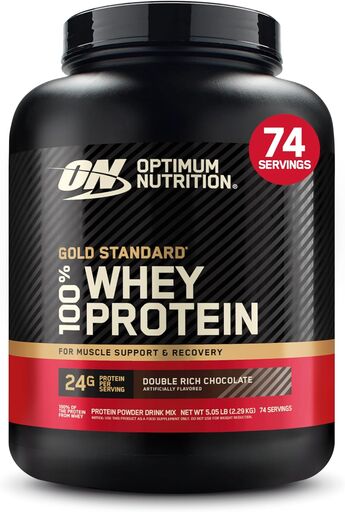
Optimum Nutrition Gold Standard 100% Whey - Double Rich Chocolate
For the Performance Crowd: Dymatize ISO 100
If Gold Standard is the reliable sedan that gets you to work every day, Dymatize ISO 100 is the sports car you bring out for race day. This is a hydrolyzed whey isolate, meaning the protein has been partially pre-digested through enzymatic processing. The practical result? Faster absorption and, critically for our purposes, a remarkably smooth texture.
ISO 100 is one of the few protein powders I've encountered that produces virtually zero foam when shaken and dissolves almost instantly. At 25 grams of protein and just 110 calories per scoop with near-zero carbs and fat, it's about as lean as protein powder gets. The Gourmet Chocolate flavor strikes a nice balance between sweet and genuinely chocolatey.
The caveat is that Dymatize leans hard on the sweetness. If you're sensitive to that intense, almost candy-like sweet profile, you might find it overwhelming, especially mixed with just water. Cutting it with unsweetened almond milk or blending it into a smoothie tames things nicely. It's also pricier than Gold Standard, and the smaller tub sizes mean you're restocking more frequently. But for pre- and post-workout shakes where fast absorption and clean macros matter most, it's hard to beat.
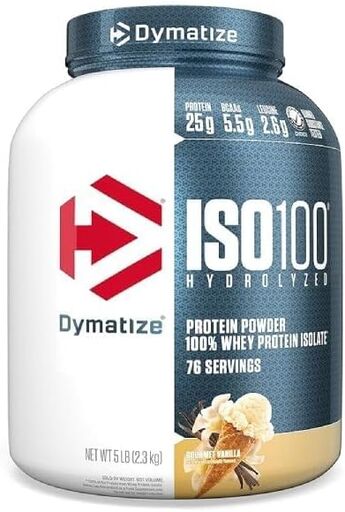
Dymatize ISO 100 Whey Protein Powder
The Milkshake Experience: BSN SYNTHA-6
Now, a word for people who don't care about minimalist ingredient lists and just want their protein shake to taste like dessert. BSN's SYNTHA-6 takes a fundamentally different approach than the lean isolates above. It's a protein blend that includes whey concentrate, whey isolate, casein, egg protein, and milk protein isolate, and it's formulated with enough fat and carbs to create a thick, creamy, genuinely milkshake-like texture.
The trade-off is obvious: at 200 calories per scoop with 6 grams of fat and 15 grams of carbs, this is not a lean protein powder. If you're deep into a cut and counting every macro, SYNTHA-6 is probably not your best friend. But if you're bulking, or if you simply struggle to drink protein shakes because you find them unpalatable, this is the product that converts skeptics. The Chocolate Milkshake flavor is indulgent in a way that most protein powders only dream about.
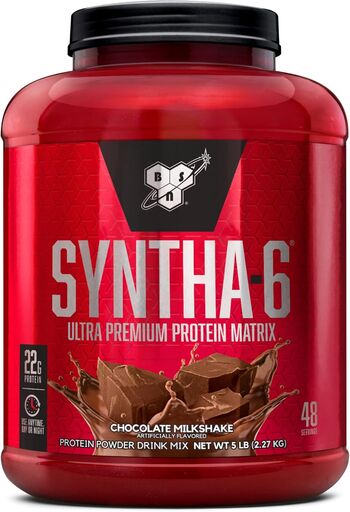
BSN SYNTHA-6 Whey Protein Powder
Quick Tips for Making Any Protein Powder Taste Better
Even the best-tasting powder benefits from a few simple hacks:
- Use cold liquid. Protein powder almost always tastes better cold. Ice water, refrigerated milk, or frozen fruit in a blender all help.
- Try milk or milk alternatives instead of water. Water reveals every flaw in a protein powder's flavor profile. Even unsweetened almond milk adds enough body and creaminess to smooth things out.
- Add a pinch of salt. Sounds counterintuitive, but a tiny amount of salt suppresses bitterness and enhances sweetness, the same reason fancy hot chocolate recipes call for it.
- Blend with a frozen banana. This is the nuclear option for bad-tasting powder. A frozen banana adds natural sweetness, incredible creaminess, and enough flavor to mask almost anything.
- Don't let it sit. Protein shakes thicken and develop off-flavors as they warm up. Mix it and drink it within 15 minutes for the best experience.
The Bottom Line
The days of choking down chalky, bitter protein shakes as some kind of gym-bro rite of passage are over. The market has matured, the formulations have improved, and there are now genuinely enjoyable options at every price point and for every dietary preference. Whether you want the dependable everyday value of Optimum Nutrition Gold Standard, the ultra-lean performance profile of Dymatize ISO 100, or the indulgent dessert experience of BSN SYNTHA-6, the right tub is out there waiting for you.
The single most important piece of advice? Buy a small size first. No amount of online reviews can replace your own taste buds, and what tastes amazing to one person might be intolerable to another. Start small, find your favorite, then commit to the bulk tub. Your mornings (and your palate) will thank you.