

For bodybuilders and fitness enthusiasts alike, whey protein has earned its reputation as the cornerstone supplement for muscle building. But with countless products on the market and conflicting information online, understanding how to effectively use whey protein can feel overwhelming. This guide breaks down the science behind whey protein and provides practical strategies to maximize your gains.
What Is Whey Protein and Why Does It Matter?
Whey protein is a complete protein derived from milk during the cheese-making process. What makes it particularly valuable for bodybuilders is its exceptional amino acid profile, including high concentrations of branched-chain amino acids (BCAAs)—leucine, isoleucine, and valine—which play critical roles in muscle protein synthesis.
Unlike other protein sources, whey is rapidly absorbed by the body, making it ideal for post-workout nutrition when your muscles are primed for recovery. Research consistently shows that whey protein supplementation, combined with resistance training, leads to greater increases in muscle mass and strength compared to training alone.
The Three Types of Whey Protein
Not all whey proteins are created equal. Understanding the differences between the three main types will help you choose the right product for your goals and budget:
Whey Protein Concentrate (WPC)
- Contains 70-80% protein by weight
- Retains more natural nutrients and immunoglobulins
- Contains some lactose and fat
- Most affordable option
- Best for: Budget-conscious athletes without lactose sensitivity
Whey Protein Isolate (WPI)
- Contains 90%+ protein by weight
- Virtually lactose-free
- Lower in fat and carbohydrates
- Faster absorption rate
- Best for: Those cutting calories or with mild lactose intolerance
Whey Protein Hydrolysate (WPH)
- Pre-digested for fastest absorption
- Highest price point
- May cause insulin spike
- Best for: Elite athletes seeking marginal performance gains
How Much Protein Do You Actually Need?
The age-old question of protein requirements has been extensively studied. For bodybuilders and those engaged in serious resistance training, the research points to a clear consensus:
- General recommendation: 1.6-2.2 grams of protein per kilogram of body weight daily
- During a cut: Aim for the higher end (2.0-2.2g/kg) to preserve muscle mass
- During a bulk: 1.6-1.8g/kg is typically sufficient when in a caloric surplus
For a 180-pound (82kg) bodybuilder, this translates to approximately 130-180 grams of protein daily. Whey protein supplements typically provide 20-30 grams per serving, making them an efficient way to meet these targets without excessive calorie intake.
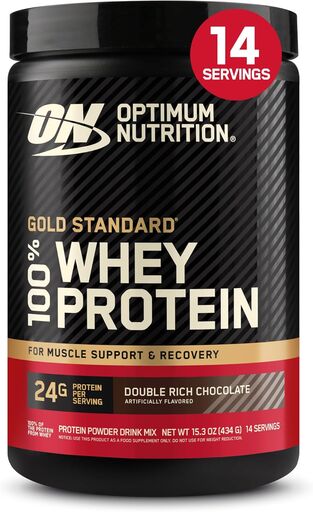
Optimum Nutrition Gold Standard 100% Whey Protein Powder
Optimal Timing: When to Take Whey Protein
While total daily protein intake matters most, strategic timing can provide additional benefits:
Post-Workout (Most Important) The 30-minute to 2-hour window following training is when your muscles are most receptive to protein. A whey shake consumed during this period supports muscle protein synthesis and kickstarts recovery.
Morning After an overnight fast, your body is in a catabolic state. A quick-absorbing whey protein can help shift your body back into an anabolic, muscle-building mode.
Between Meals Using whey as a snack helps maintain elevated amino acid levels throughout the day, supporting continuous muscle protein synthesis.
Pre-Workout Consuming whey 30-60 minutes before training ensures amino acids are available during your workout, potentially reducing muscle breakdown.
Whey Protein and Body Composition
Beyond muscle building, whey protein offers several benefits for overall body composition:
- Increased Satiety: Protein is the most satiating macronutrient, helping control appetite during cutting phases
- Higher Thermic Effect: Your body burns more calories digesting protein compared to carbs or fats
- Muscle Preservation: Adequate protein intake during caloric deficits helps maintain lean mass while losing fat
- Improved Recovery: Faster recovery means more frequent, higher-quality training sessions
Studies have shown that individuals who supplement with whey protein while following a resistance training program lose more body fat while gaining more lean muscle compared to those consuming equivalent calories from carbohydrates.
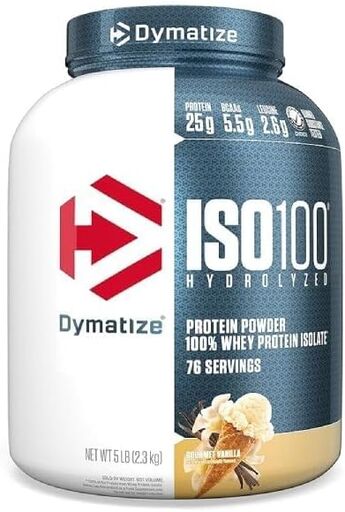
Dymatize ISO 100 Whey Protein Powder
Common Mistakes to Avoid
Even experienced bodybuilders sometimes fall into these traps:
Relying Too Heavily on Supplements Whey protein should supplement a diet rich in whole food protein sources—chicken, fish, eggs, beef, and dairy. Aim to get at least 50-60% of your protein from whole foods.
Ignoring Total Daily Intake Obsessing over post-workout timing while neglecting overall daily protein intake is counterproductive. Consistency across the day matters more than perfect timing.
Choosing Based on Price Alone The cheapest option may contain fillers, lower-quality protein sources, or inaccurate labeling. Look for products with third-party testing certifications.
Overconsumption More isn't always better. Research shows diminishing returns beyond 40 grams per serving, as the body can only utilize so much protein at once for muscle building purposes.
Maximizing Your Results: Practical Tips
To get the most from your whey protein supplementation:
- Pair with carbohydrates post-workout: Adding fast-digesting carbs enhances protein uptake and replenishes glycogen stores
- Stay consistent: The benefits of whey protein accumulate over time with regular use
- Cycle your products: Rotating between brands and types can prevent developing sensitivities
- Read the label carefully: Check protein per serving versus per scoop, and watch for added sugars
- Consider digestive enzymes: If you experience bloating, look for products containing lactase or digestive enzyme blends
The Bottom Line
Whey protein remains one of the most researched and effective supplements for bodybuilders seeking to maximize muscle growth and optimize body composition. Its rapid absorption, complete amino acid profile, and convenience make it an invaluable tool in any serious athlete's nutrition arsenal.
However, remember that supplements are just that—supplementary to a solid foundation of whole foods, consistent training, adequate sleep, and proper hydration. When these fundamentals are in place, whey protein can help you push past plateaus and achieve your physique goals more efficiently.
Start with a high-quality whey protein isolate or concentrate, consume 20-40 grams within your post-workout window, and ensure you're hitting your total daily protein targets. With patience and consistency, the results will follow.