

If you've ever found yourself fishing for a soggy sponge at the bottom of your sink or knocking over dish soap bottles while trying to wash dishes, you're not alone. The humble sink caddy might seem like a minor kitchen accessory, but it plays a surprisingly significant role in keeping your kitchen organized, hygienic, and efficient. In this guide, we'll explore everything you need to know about sink caddies—from the different types available to key features that matter most.
What Is a Sink Caddy and Why Do You Need One?
A sink caddy is a storage organizer designed specifically for the kitchen sink area. Its primary purpose is to hold cleaning essentials like sponges, scrub brushes, dish soap, and dishwashing tools in one convenient location. While this might sound simple, the benefits extend far beyond basic organization.
Improved Hygiene: Wet sponges left sitting in the sink or on countertops become breeding grounds for bacteria. A well-designed caddy allows air circulation, helping your cleaning tools dry faster and stay fresher longer.
Countertop Protection: Water pooling around soap bottles and wet sponges can damage countertops over time, especially those made of wood or laminate. Caddies contain the moisture and protect your surfaces.
Visual Appeal: Let's face it—a cluttered sink area isn't aesthetically pleasing. A sleek caddy keeps everything tidy and gives your kitchen a more polished appearance.
Types of Sink Caddies
Not all sink caddies are created equal. Understanding the different styles available will help you choose the right one for your kitchen setup.
Countertop Caddies
These sit directly on your counter beside the sink. They're the most common type and come in various materials including stainless steel, plastic, and silicone. Countertop caddies are easy to move for cleaning and don't require any installation.
Over-the-Sink Caddies
Designed to hang over the sink divider or along the sink's edge, these caddies maximize space by keeping items suspended over the sink basin. They're ideal for smaller kitchens where counter space is at a premium.
In-Sink Caddies
These compact organizers sit inside the sink itself, typically in a corner or along one side. They're great for keeping sponges within arm's reach while washing dishes but take up some sink space.
Hanging Caddies
Some caddies are designed to hang from the faucet or attach to the sink with suction cups or adhesive strips. These are excellent space-savers but may not support heavier items like full soap bottles.
Key Features to Consider
When shopping for a sink caddy, several factors will determine whether it's the right fit for your needs.
Drainage
Proper drainage is arguably the most important feature. Look for caddies with drainage holes or slots that allow water to escape. Some models even include a removable drip tray to catch excess water and protect your countertop.
Material
Stainless Steel: Durable, rust-resistant (especially 18/8 or 304 grade), and easy to clean. Stainless steel caddies offer a modern, professional look that complements most kitchen styles.
Plastic: Lightweight and affordable, but may stain or crack over time. Look for BPA-free options if this matters to you.
Silicone: Flexible and often featuring antimicrobial properties, silicone caddies are easy to clean and gentle on countertops.
Capacity
Consider what you need to store. A minimal setup might only require space for a sponge and brush, while others need room for multiple soap bottles, scrubbers, and cleaning cloths.
Ventilation
Open designs with mesh or widely-spaced bars promote airflow, helping contents dry faster and preventing mildew growth.
Top Sink Caddy Recommendations
After analyzing countless options, here are some standout sink caddies that excel in different areas:
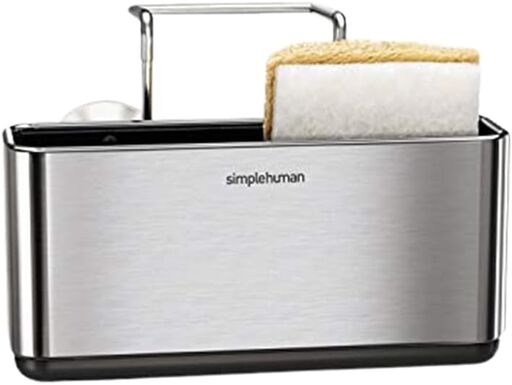
simplehuman Slim Sink Caddy, Brushed Stainless Steel
The simplehuman Slim Sink Caddy exemplifies thoughtful design with its compact footprint and premium stainless steel construction. It's perfect for those who want a minimalist solution that doesn't sacrifice quality.
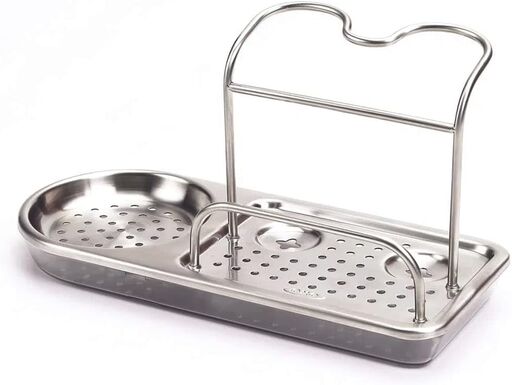
OXO Good Grips Stainless Steel Sink Caddy
OXO has built a reputation for creating kitchen tools that just work, and their sink caddy is no exception. The Good Grips Stainless Steel Sink Caddy offers excellent drainage and a sturdy build that will last for years.
Installation and Placement Tips
Getting the most out of your sink caddy involves more than just buying the right one—placement matters too.
Near the Faucet: Position your caddy close enough to the sink that you can easily grab items while washing, but not so close that it interferes with the water flow or faucet movement.
Consider Your Dominant Hand: If you're right-handed, placing the caddy on the right side of the sink often feels more natural. Left-handed users might prefer the opposite.
Avoid Direct Water Spray: While caddies are designed to handle moisture, placing them directly in the splash zone means items stay wetter longer.
Allow Clearance: Make sure there's enough space around the caddy for air circulation, which aids in drying.
Maintenance and Cleaning
Even the best sink caddy requires regular maintenance to stay hygienic and looking its best.
Weekly Cleaning: Remove all items and wash the caddy with warm, soapy water. For stainless steel models, a soft cloth prevents scratching.
Deep Cleaning: Once a month, soak your caddy in a solution of equal parts white vinegar and water for 15-30 minutes. This removes mineral deposits and kills bacteria.
Dry Thoroughly: After cleaning, dry your caddy completely before replacing items to prevent water spots and bacterial growth.
Replace When Necessary: Even durable caddies don't last forever. If you notice rust, persistent mildew stains, or structural damage, it's time for a replacement.
Common Mistakes to Avoid
Overcrowding: Stuffing too many items into your caddy restricts airflow and slows drying. Keep only essential items in the caddy and store extras elsewhere.
Ignoring Drainage: A caddy without proper drainage will leave items sitting in water. If your chosen model lacks good drainage, consider placing a small dish underneath or drilling additional holes.
Wrong Size: Measure your available space before purchasing. A caddy that's too large will overwhelm a small sink area, while one that's too small won't serve its purpose.
Neglecting Material Compatibility: Consider your existing fixtures. A brass-finished faucet might clash with a chrome caddy, while a farmhouse sink might look better with a more rustic option.
The Bottom Line
A sink caddy is a small investment that pays dividends in kitchen organization and hygiene. By understanding the different types available, focusing on key features like drainage and material quality, and maintaining your caddy properly, you can keep your sink area clean, organized, and visually appealing.
Whether you opt for a sleek stainless steel model or a flexible silicone option, the right sink caddy will simplify your daily dishwashing routine and help maintain a tidier kitchen overall. Take the time to assess your specific needs, measure your space, and choose a caddy that works with your kitchen's style—your future self will thank you every time you reach for that perfectly dry sponge.